Santo Antão Island
Santo Antão is an island located in the northern part of the Cap-Vert archipelago. It attracts countless hikers thanks to its numerous trekking trails.
Santo Antão is an island located in the northern part of the Cap-Vert archipelago. It attracts countless hikers thanks to its numerous trekking trails.
Santo Antão, a hiker's paradise
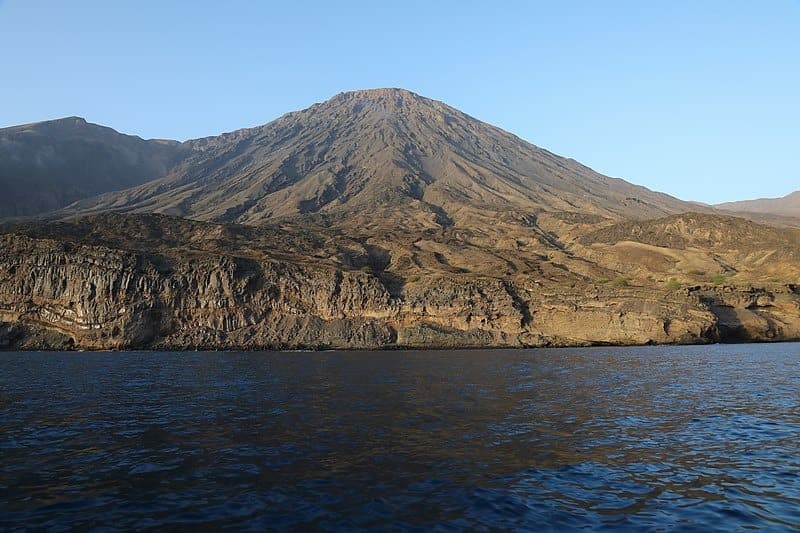
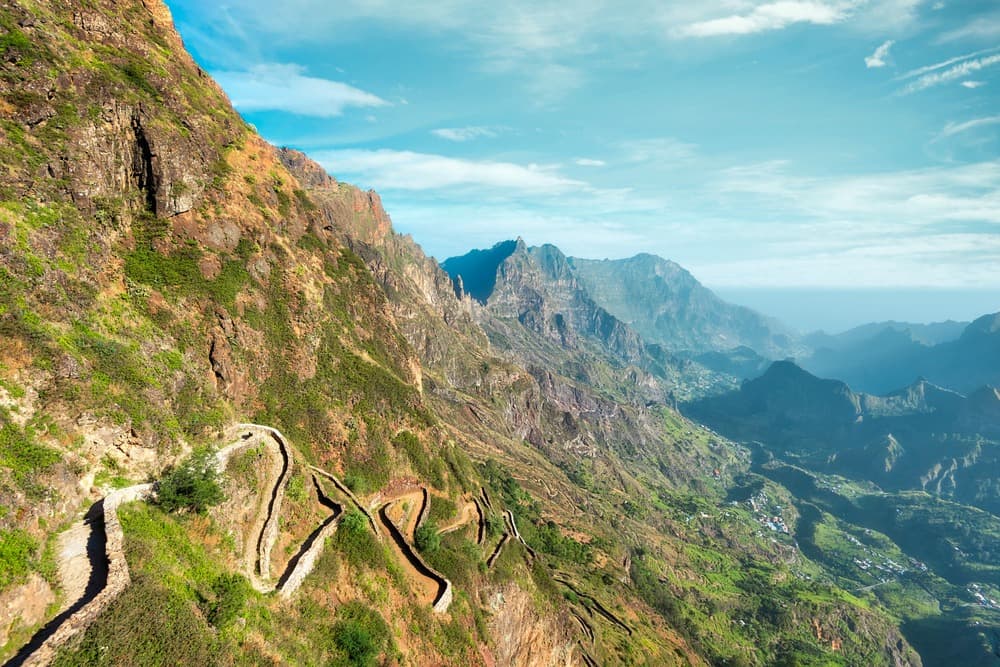
Santo Antão covers an area of 779 km² and displays two distinct faces: a rocky side and a lush zone exposed to trade winds. Hikers will delight in traversing its terrain, studded with towering mountains and caldeiras (volcanic craters that can measure several kilometers in diameter), and in enjoying panoramic viewpoints. You'll be treated to breathtaking vistas that blend verdant fields, canyons, the sea, rivers, and waterfalls. The island also offers activities for those whose main interest extends beyond hiking. We'll explore these options below.
History
Santo Antão Island was discovered in 1462 by Diogo Afonso, a Portuguese navigator. It became a Portuguese possession following the Treaty of Tordesillas. Due to the difficulty in building roads and the scarcity of suitable anchorages, the island didn't receive its first settlers—migrants from northern Portugal—until 1548. Ribeira Grande was its principal city.
Santo Antão was sold to England in 1724 but was subsequently returned to Portugal. Towns on the island, such as Ponta do Sol, Pombas, and Porto Novo emerged only in the 19th century. As of 2010, it had a population of 43,915 inhabitants.
Today
The island's administrative capital is Ponta do Sol, and it comprises 3 municipalities. Porto Novo is its largest city and serves as its main point of entry. Santo Antão's economy rests largely on agriculture. However, tourism is far from neglected, as evidenced by the numerous hotels dotting the island.
What to see and do on Santo Antão?
Hiking
Most of Santo Antão's wonders are discovered through hiking. As you traverse its various trails, you'll enjoy superb views of its steep mountains, valleys, deep gorges, caldeiras, and more. Hikes range from two hours to a full day in duration. The most popular route starts at Cova Crater and ends at Vila das Pombas, winding through the island's most fertile valley. The trail beginning at Ponta do Sol and concluding at Chã de Igreja is equally cherished. This path hugs a portion of Santo Antão's coastline, with the sea accompanying you throughout the entire hike.
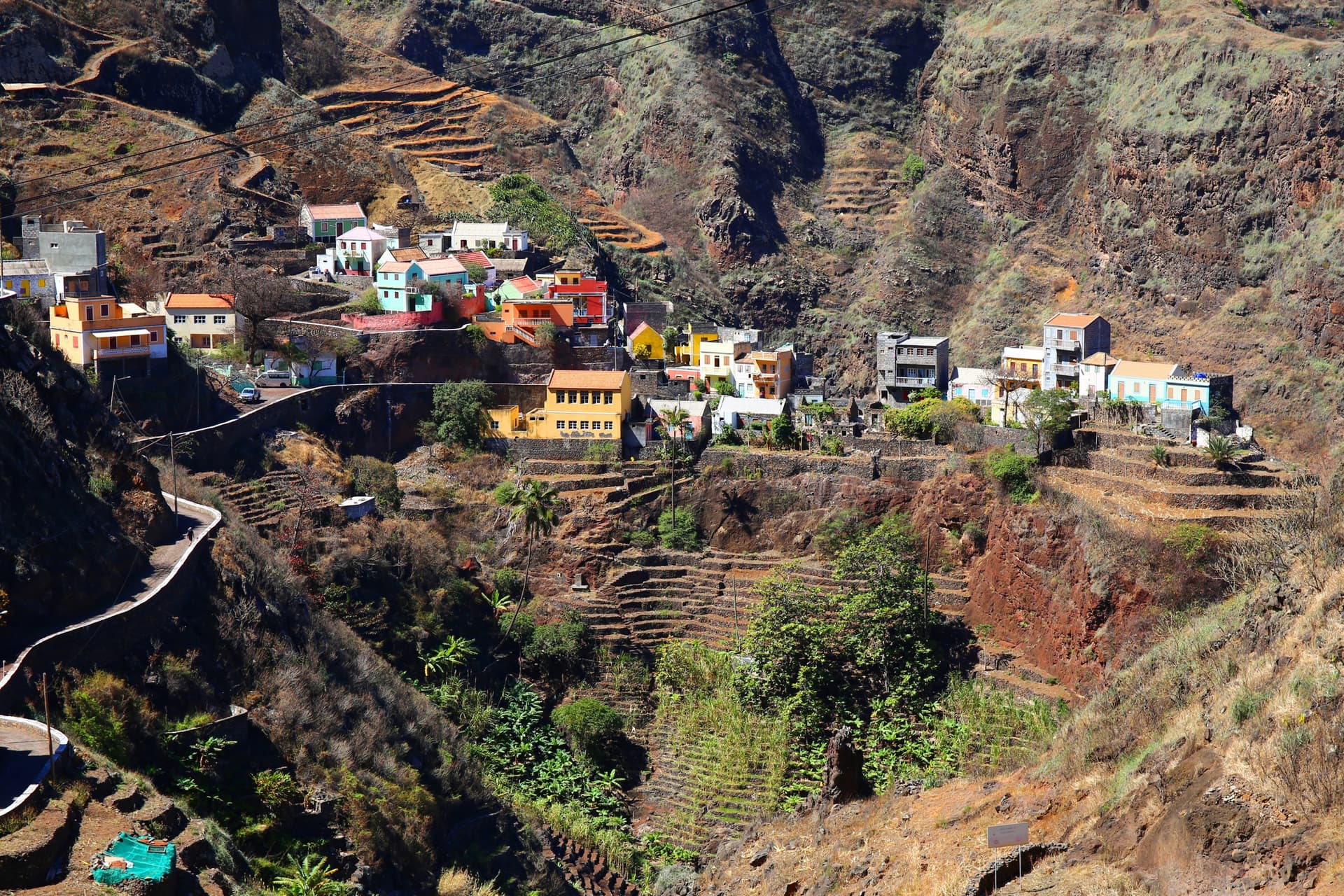
Many trekking routes pass through one or more villages or hamlets, allowing you to pause and chat with locals, enjoy a coffee, and have lunch. That said, be sure to bring snacks and plenty of water. Most routes can be completed without a guide. However, a GPS is essential, as certain stretches of trail are either overgrown or difficult to detect.
Canyoning
The island is an ideal destination for canyoning in Cap-Vert, thanks to its rivers and waterfalls. There are approximately 50 canyon routes, with the majority located in the lush Paul valley.
Biking
Biking is also one of the finest ways to explore the island. A great many hiking trails can be covered this way, with or without a guide.
Discovering marine richness
Santo Antão's waters teem with marine life, including multiple fish species and sea turtles. Whales also frequent the island's waters. You'll be accompanied by professional divers during a snorkeling outing or dive. They'll provide you with proper equipment.
Swimming in a natural pool
After a long hike, reward yourself with a relaxing dip in the natural pool nestled near the village of Sinagoga. Enclosed by rocks, it shields swimmers from the waves.
Visiting Tarrafal de Monte Trigo
The village of Tarrafal de Monte Trigo is lined with a picturesque beach featuring a long stretch of black sand of volcanic origin, overshadowed by a towering cliff. A Portuguese paraglider offers aerial tours of this beach. It's also a favorite spot for surfers.
Practical information
When to visit?
The island enjoys a tropical climate. It's pleasant to visit year-round, except during its brief rainy season (late July to early November). However, it's during this period that you can observe its waterfalls and seasonal rivers, ideal for canyoning.
Santo Antão is accessible only by ferry from the neighboring island of São Vicente, specifically departing from the city of Mindelo. This city has two ferry companies: Mar D'Canal and Fast Ferry. Choose the former for more comfortable transport.
Mindelo is connected to other islands in the archipelago, as well as to Paris (with a stopover in Lisbon), by air. You can also reach it by ferry from these islands.
Alugueres (shared minibuses) are the most commonly used means of transportation on the island. It's also possible to rent a car or take a taxi.