Praia
Praia
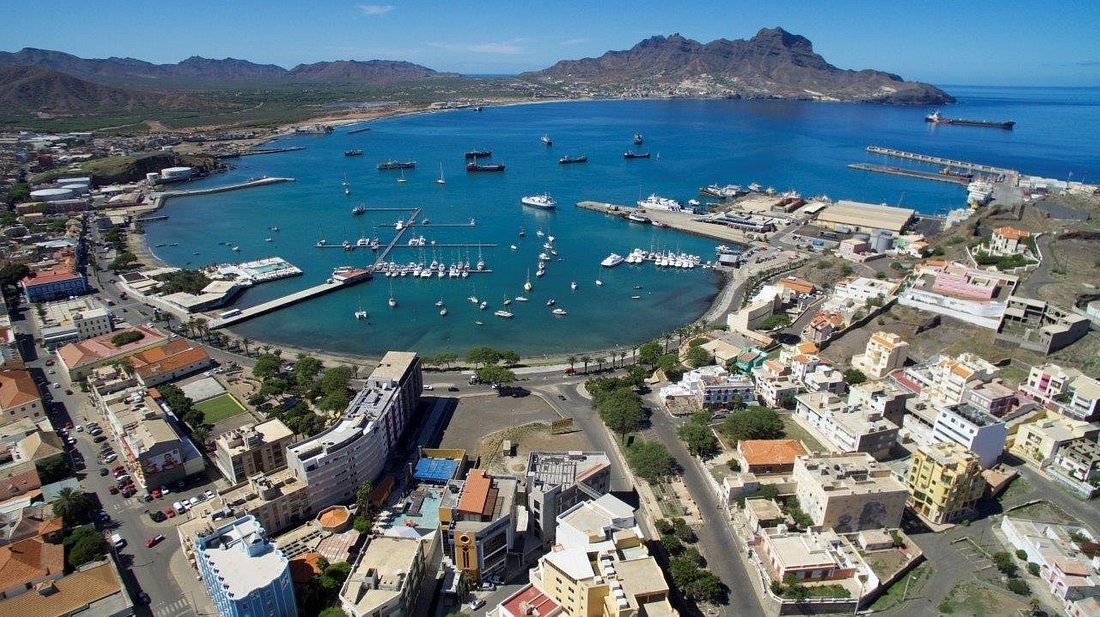
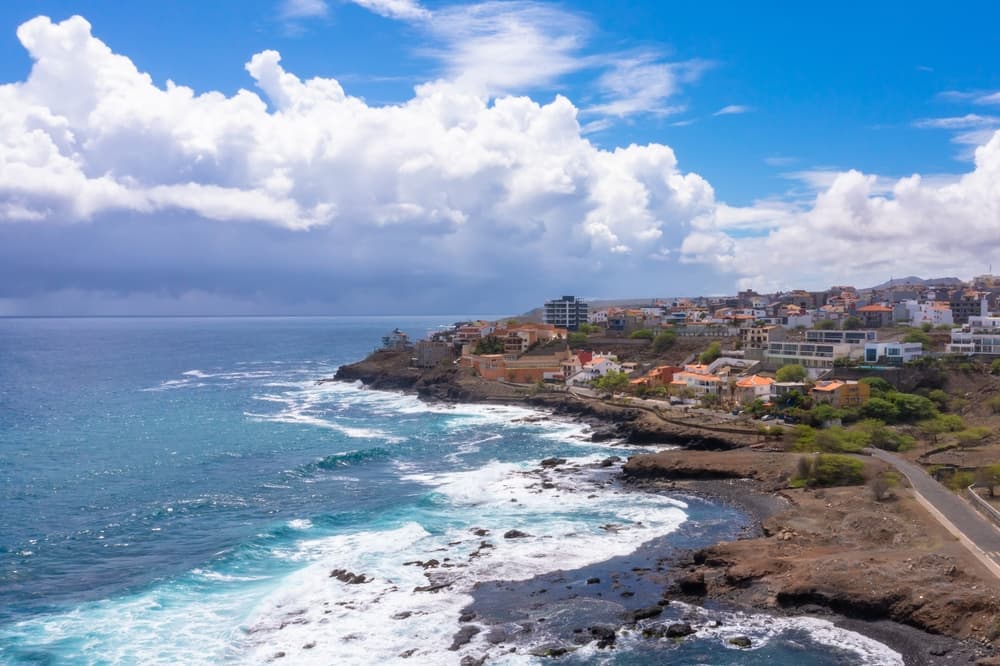
Praia, capital of Cape Verde, unfolds its historic center on a basaltic plateau facing the Atlantic. Lively markets, Portuguese colonial architecture, and vibrant Creole culture make it the ideal base for exploring the island of Santiago.
Praia is the capital of Cape Verde, situated on the plateau of Santiago, the archipelago's largest island. As a port and administrative city, it is home to roughly one-third of Cape Verde's population. Its historic center perched atop a basaltic plateau, its bustling markets, and its waterfront make it the natural gateway to the country—both functional and revealing of Creole culture.
Practical Information at a Glance
- Access: Nelson Mandela International Airport, a few kilometers from downtown; taxis and aluguer (shared minibuses) serve the plateau.
- Currency: Cape Verdean Escudo (CVE); euros are accepted in many shops.
- Language: Portuguese (official) and Cape Verdean Creole (kriolu) in everyday life.
- Recommended duration: 1 to 2 days to explore the Plateau, the market, and the waterfront.
- Dress code: Casual; cover your shoulders in places of worship.
What to See
The Plateau (Platô) is the historic heart: Portuguese colonial streets, colorful administrative buildings, and the Praça Alexandre Albuquerque, a central square shaded by flame trees. The Mercado de Sucupira, below, is the island's largest market—fabrics, spices, handicrafts, and electronics mingle in constant bustle. The Museu Etnográfico documents Santiago's traditions and history.
History and Context
Founded in the 15th century by the Portuguese, Santiago was one of the Atlantic's first colonized islands. Praia became the capital in the 19th century, replacing Cidade Velha. Its history is marked by the slave trade, racial and cultural mixing, and cultural resistance that forged Creole identity. Independence, achieved in 1975, transformed the city into the capital of a sovereign state.
Highlights of Your Visit
The Plateau (Platô)
This elevated district concentrates Portuguese colonial architecture. The Praça Alexandre Albuquerque and its ochre and white buildings offer a calm atmosphere in the evening. The presidential palace and the Cathedral of Our Lady of Grace border the main square.
Mercado de Sucupira
An essential market for understanding daily life in Praia. You'll find African fabrics, local spices, ceramic handicrafts, and imported electronics. Activity peaks in the morning.
Quebra Canela Beach
An urban beach within walking distance of the Plateau, frequented by locals at day's end. Dark volcanic sand, calm waters, and small fresh fish restaurants line the shore.
The Waterfront and Port
The promenade along Praia Bay offers views of port activity and fishing boats. Sunsets over the Atlantic are particularly striking during the dry season.
Photography Tips
Golden late-afternoon light is ideal on the Plateau for colonial facades. Mercado de Sucupira is best photographed early morning, before crowds arrive. Always ask permission before photographing people—locals are sensitive to this.
Location and Access
Praia occupies the south coast of Santiago island. Nelson Mandela International Airport connects directly to Lisbon, Paris, and several African capitals. Ferries link Praia to the archipelago's other islands from the port. Aluguer (shared minibuses) are the most economical local transport. The Plateau is compact and best explored on foot.
Nearby Attractions
- Cidade Velha — Africa's first European colonial city, a UNESCO World Heritage Site, roughly 15 kilometers west of Praia.
- Tarrafal — A fishing village in northern Santiago, known for its former political prison camp and turquoise-watered beach.
- Assomada — An inland town on Santiago, home to a lively regional market and a starting point for exploring the island's agricultural valleys.
Frequently asked questions
The dry season, from November to June, offers clear skies and pleasant temperatures around 25°C. The rainy season (July–October) brings brief showers but may make some island trails difficult to access.
One day is enough for the Plateau, Mercado de Sucupira, and Quebra Canela Beach. Plan a second day if you wish to explore the ethnographic museum and port in detail.
Yes, it's the most common combination on Santiago. Cidade Velha is reached by taxi or aluguer from Praia. Allow a half-day more to visit the ruins and fortress.
Portuguese is sufficient in hotels, restaurants, and government offices. A few words of kriolu are appreciated by locals but not essential for a tourist stay.
There is no formal ban, but it is strongly advised to ask permission from vendors and individuals before photographing them. Any refusal must be respected.
Praia's port operates ferry links to several archipelago islands. Domestic flights operated by Binter Cabo Verde also connect Praia to major islands, including Sal, São Vicente, and Fogo.
Attractions in Praia

Marché de Sucupira
Le marché de Sucupira, dans le quartier de Fazenda à Praia, est le principal marché populaire du Cap-Vert. Tissus wax, épices, artisanat et animation quotidienne : une immersion dans la vie capverdienne.
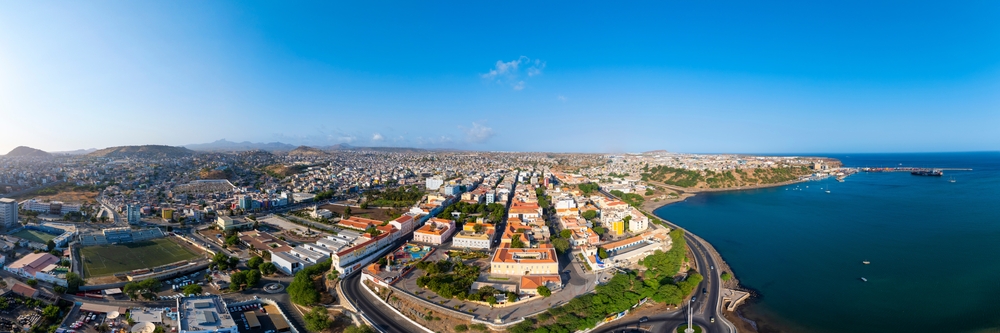
Plateau – Centre historique de Praia
Le Plateau est le centre historique de Praia, posé sur un promontoire basaltique. Places coloniales, façades colorées, marché animé et musée ethnographique : deux à trois heures suffisent pour en saisir l'essentiel.
Want to discover this destination?
Our local advisors design your tailor-made trip.